
Oversize load permits and escorts in the West
Oversize load permits and escorts are part of most transformer, generator, chiller and module moves, and Lifetime Logistics Services LLC arranges them through its partner carriers for every western state a load crosses. We are a freight broker and trucking company in Covina, California; we build the permit lead time, the escort cars and the travel time restrictions into the quote so a wide or heavy piece ships the week it is ready. Send the quote form with the dimensions and the weight, or call (562) 566-8953.
When a load needs a permit
Across the western states the legal limits for a load without a permit are close to the same: eight and a half feet wide, fourteen feet tall including the trailer, 80,000 pounds gross with limits of about 20,000 pounds on a single axle and 34,000 on a tandem, and a combination length that depends on the state and the trailer. A piece that exceeds any one of those needs a permit from each state it crosses, issued for a specific route and a specific set of dates. Most transformers, enclosed generators, chillers and prefabricated modules exceed at least one.
Over width is the most common reason on data center freight, followed by over height and over weight. A load can be all three, and each adds conditions: wider loads need escorts, taller loads need a route checked for structures, heavier loads need axle spacing that satisfies the bridge formula and sometimes a bridge analysis.
When it needs escorts, and how many
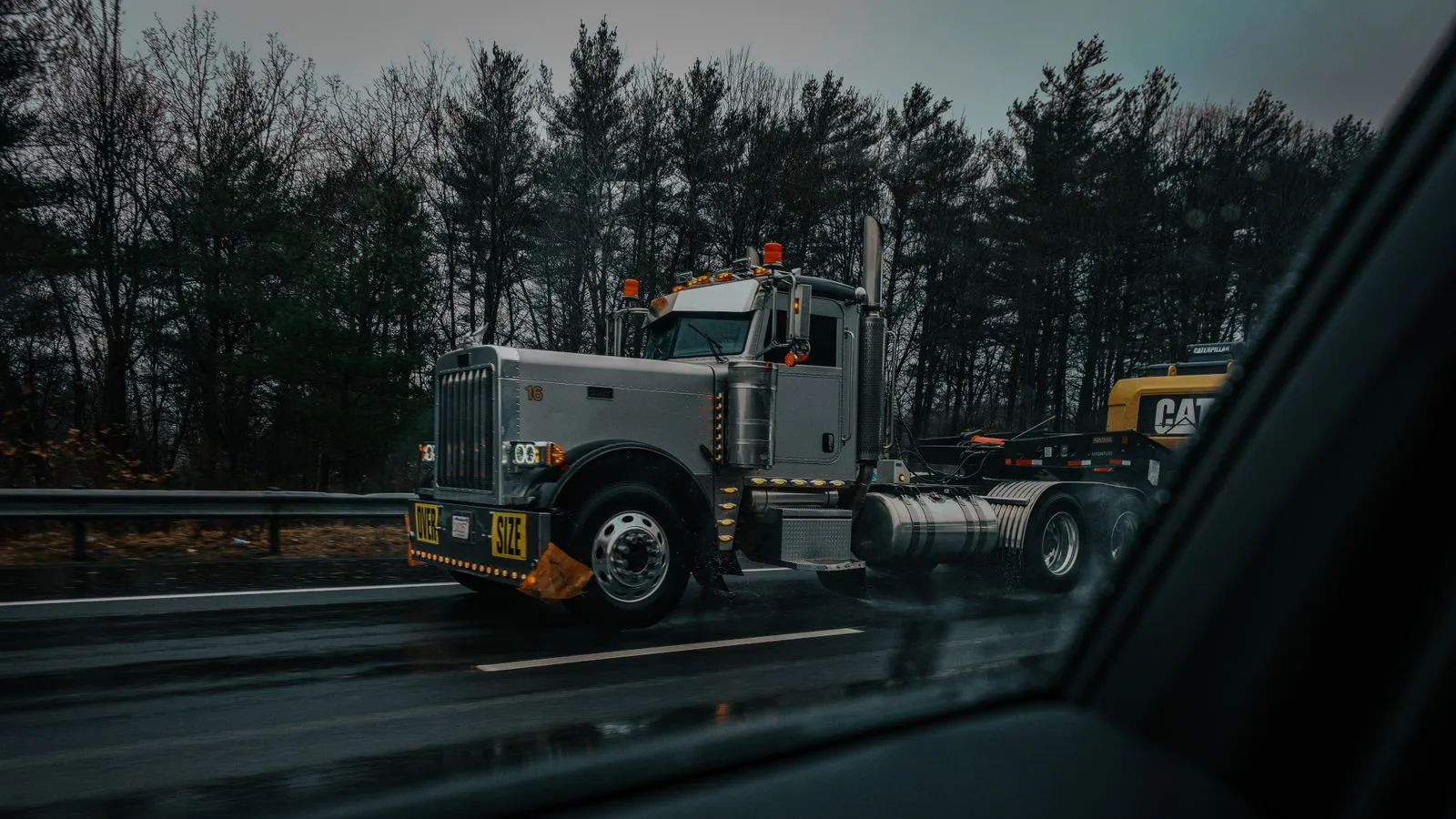
Each state sets its own escort thresholds, and they are not identical. As a rule of thumb for the West, a load up to about twelve feet wide moves with signs and flags and no escort on most interstates; between about twelve and fourteen feet it needs one pilot car; above about fourteen feet it needs two, one ahead and one behind; and the widest loads need a police escort on some routes. Over height loads above about fifteen or sixteen feet need a front escort with a height pole, and over length loads need a rear escort on two lane roads. Most states restrict oversize travel to daylight and keep the widest loads off the road on holidays and weekends.
The pilot cars are a cost and a scheduling item: they have to be booked for the same days as the permit, and in the remote stretches of Nevada and Arizona they may have to travel a long way to meet the truck.
How the states differ
California has the most detailed rules and the most restrictions. Travel is limited to specific hours on the Los Angeles and Bay Area freeway systems, often at night for wide loads, the widest loads are confined to specific routes, and the permit office needs the full route and the axle data. Arizona and Nevada permit the desert interstates readily and check loads at ports of entry, and their escort thresholds are their own. Oregon and Washington close the mountain passes to oversize loads in snow and chain season, and Utah and Idaho have long stretches with no services where an escort convoy has to plan fuel. A load from Southern California to the Puget Sound needs California, Oregon and Washington permits that agree with each other on dates and route.
We arrange all of it through the carrier that hauls the load, and the carriers we use for oversize work carry the permits, the signs, the lights and the relationships with the escort companies that the job needs. Each is checked through Highway before dispatch.
Routes we plan oversize loads on
The common oversize trips from Southern California are east on Interstate 10 to the Phoenix area, north on Interstate 15 to Las Vegas, St. George and the Wasatch Front, up Interstate 5 through the Central Valley to the Bay Area, Sacramento and the Northwest, and across to Reno on Interstate 80 over Donner Pass. Each has its pinch points: the Cajon Pass and Mountain Pass on Interstate 15, the Tejon Pass and the Siskiyou Summit of Interstate 5, the Interstate 8 grade into San Diego County that closes to high profile loads in wind, and the dust storms on Interstate 10 in late summer. The permit route is checked against the structures on it, and the escort plan is built for the terrain.
What we need to quote a permitted move
- The load's length, width and height as it will ride on the trailer, and the shipping weight
- The trailer the carrier proposes, so the axle count and spacing can go on the permit
- Pickup and delivery addresses and the dates the site can receive
- Whether the load can travel at night and on weekends, which decides the route and the escorts
- Any lifting, rigging or crane needs at either end
Questions shippers ask
- Do you handle oversize permits yourselves?
- We arrange them through the partner carrier that hauls the load, for each state the load crosses, and we manage the schedule and the escorts as part of the move. The carrier holds the permit, as the rules require.
- How long does an oversize permit take?
- A routine over width or over height permit is often issued within a few days. Superloads, the widest and heaviest pieces, can take a week or more because of route surveys and bridge reviews. We build that time into the quote.
- How wide can a load be before it needs pilot cars?
- It depends on the state, but in the West a load up to about twelve feet wide usually moves without an escort on interstates, one escort is needed between about twelve and fourteen feet, and two above that. We confirm the exact thresholds for the route when we quote.
- Can an oversize load travel at night in California?
- Often it must. California restricts wide loads on the Los Angeles and Bay Area freeways to off peak and night hours, so a permitted move through those areas is planned around the allowed windows.
Ready to price a load?
Send the quote form or call us. Quotes within 15 minutes, Monday to Friday 6 AM to 6 PM Pacific; operations team available 24/7 for active loads.