
Data center freight for AI infrastructure build outs
Lifetime Logistics Services LLC arranges and hauls data center freight across California, Arizona, Nevada, Oregon, Washington, Utah and the other western states: server racks and cabinets, transformers and switchgear, generators, chillers, battery and power modules, prefabricated modules and cable reels. We are a freight broker and trucking company based in Covina, California, with our own dry vans and vetted flatbed, step deck and RGN partner carriers, so send the quote form with the piece dimensions, weight and the site, or call (562) 566-8953.
From our dispatch records, January through September 2026
- How often we run it
- Several loads a week
- Who hauls it
- Partner carriers
- Drop trailers
- Rare
What a data center build sends down the road
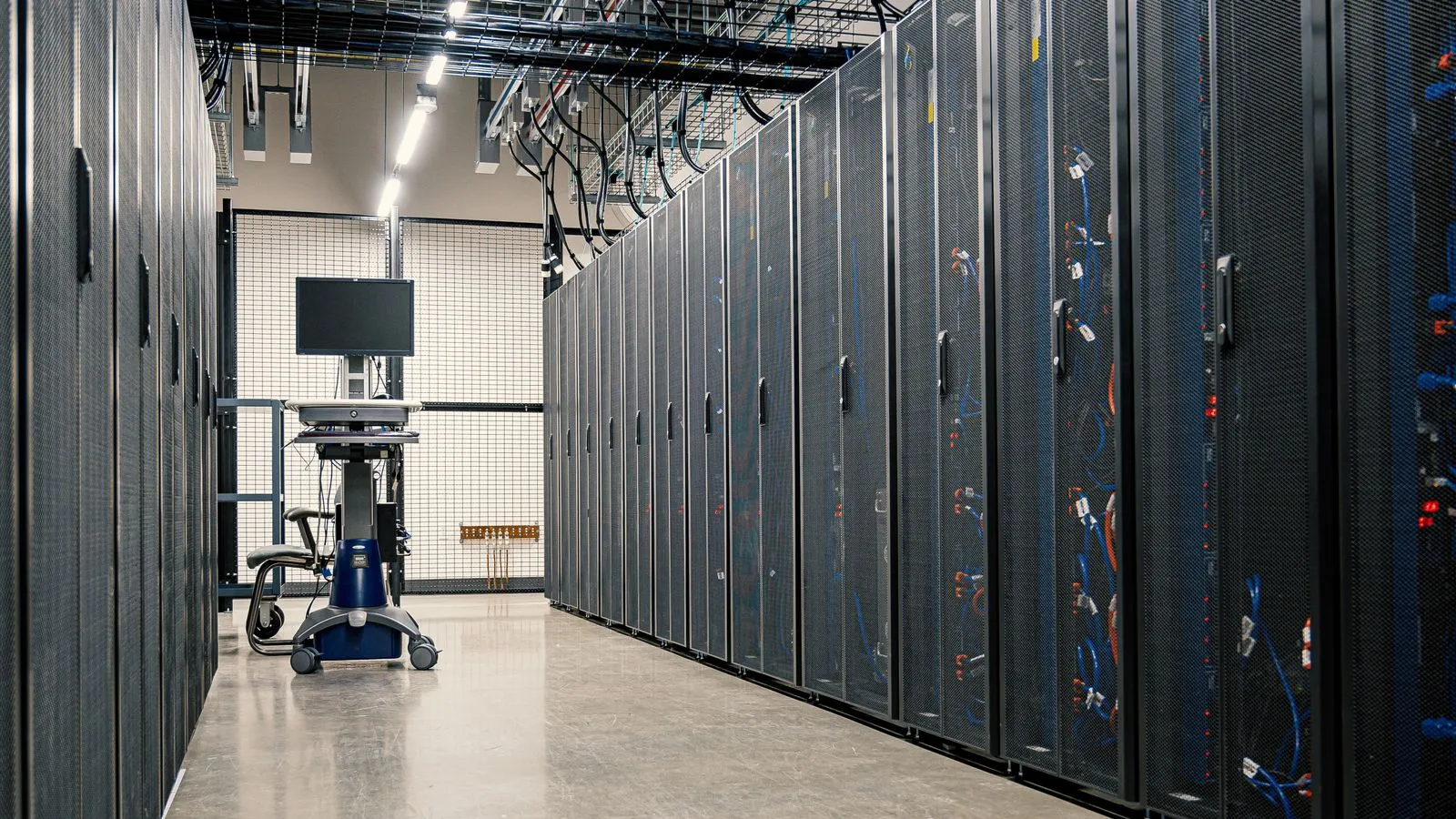
A hyperscale or enterprise data center is a power plant, a cooling plant and a warehouse full of electronics, built on a schedule that is measured in megawatts delivered per quarter. Almost none of it arrives in a standard dry van on a standard pallet. Medium voltage transformers and switchgear lineups come from the factory on flatbeds and lowboys. Diesel generators arrive in sound attenuated enclosures the size of a shipping container. Chillers, air handlers and cooling towers are tall, wide and top heavy. Prefabricated power rooms and modular data halls ship as finished steel modules. Server racks ship loaded and upright in padded, air ride vans, a few at a time, and cable comes on reels that weigh as much as a small car.
The West Coast is where a large share of this is being built right now: the Phoenix area, Hillsboro west of Portland, the Reno and Sparks area, Salt Lake City and the rest of the Wasatch Front, Las Vegas, Santa Clara and Sacramento all have campuses under construction, and the electrical equipment for them often starts at a port or a factory in Southern California or crosses the desert from Arizona. That is the part of the country where our tractors and the carriers we vet run regularly.
How we cover it
We are two things at once. Our own tractors and 53 foot dry vans work out of Southern California and hauled about a quarter of everything we moved between January and September 2026. For open deck freight we act as your broker: flatbed made up roughly one load in eight across the company in that period, almost all of it hauled by partner carriers that we check through Highway for identity, authority and insurance ahead of every load. A handful of them needed a step deck and a single one needed a lowboy, so we know where to find that equipment, and we also say plainly that it is not yet an everyday request.
What you get from us on a data center move is one point of contact from the quote to the signed proof of delivery. We size the trailer to the piece, confirm the carrier has the securement gear and the tarps the load needs, arrange permits and escorts through the carrier when a piece is over width or over height, line up a crane or a rigging crew through partners when the site needs one, and stay in touch with the driver until the piece is on the pad. Our dispatch records do not record what was on the trailer, so we will not claim a count of data center loads here. The pages below describe what each kind of equipment needs and how we handle it.
Equipment we run for these moves
- Standard flatbeds, 48 and 53 feet, for skidded equipment, enclosures, racks of conduit and cable reels up to about eight and a half feet in height
- Step decks for taller pieces such as chillers, air handlers and generator enclosures that would be over height on a flatbed
- RGN lowboys and double drops for transformers, large switchgear and modules that are both heavy and tall
- Air ride dry vans with blankets, straps and floor anchors for loaded server racks, network cabinets and sensitive electronics
- Power only tractors for prefabricated modules and equipment that ships on the manufacturer's own trailer
- Conestoga and tarped flatbeds when the freight must stay dry but cannot be loaded through a van door
Where the equipment comes from and goes to
Much of the electrical and mechanical equipment for western data centers lands at the San Pedro Bay ports or comes from factories in Southern California, the Inland Empire and the Phoenix area, which is also a steady source of the flatbed freight we cover. From there the trips are the ones on our lane pages: east on Interstate 10 to Phoenix, north on Interstate 15 to Las Vegas and the Wasatch Front, up Interstate 5 to the Bay Area, Sacramento, Portland and Seattle, and across Interstate 80 to Reno.
Each of those trips has a known pass, a known port of entry and known permit rules, and we plan oversize pieces around them: night travel restrictions in the Los Angeles basin, chain season on the Siskiyou Summit and Donner Pass, wind closures on Interstate 8 and Interstate 10 for high profile loads, and the Arizona and Nevada permit offices. For the lanes themselves, see Los Angeles to Phoenix and Los Angeles to Seattle and the city pages for Phoenix, Reno, Salt Lake City, Portland and Sacramento.
What we need to quote a data center load
- The piece: what it is, its length, width and height, and its shipping weight, from the manufacturer's drawing if you have it
- How it loads: forklift, crane, ramps, or its own skid and lifting points
- Whether it must stay dry, upright or shock protected, and whether it ships on its own trailer
- The pickup, with dock or yard hours, and the site, with its gate, laydown yard and crane arrangements
- The delivery window the construction schedule allows, and the name of the site contact who signs for it
What we move and how
Questions shippers ask
- Do you move data center equipment or only arrange it?
- Both. Loaded server racks and other van freight can ride on our 53 foot dry vans or on a partner carrier's air ride van. Flatbed, step deck and RGN loads go to partner carriers checked before every load, and we manage the move from booking to proof of delivery.
- How much data center freight have you moved?
- We will not put a number on it, because our dispatch records track trailers and lanes, not what was on the trailer. What the records show is about one load in eight on a flatbed in 2026, several step deck loads and one lowboy, and regular flatbed work out of Phoenix, the region's busiest data center market.
- Can you deliver straight to a construction site?
- Yes. We ask for the gate, the laydown area, the crane or forklift that will unload, and the hours the site receives, and we pass all of it to the driver before dispatch. Details are on the construction site delivery page.
- Do you handle permits and escorts for oversize pieces?
- We arrange them through the carrier for each state the load crosses. A piece beyond eight and a half feet wide, taller than about fourteen feet or heavier than the legal axle limits needs a permit, and above certain widths needs pilot cars. Tell us the dimensions and we will tell you what the route requires.
- Which states do you serve for data center freight?
- California, Arizona, Nevada, Oregon, Washington, Utah, Idaho, Montana, Colorado, New Mexico and Texas, the eleven western states where our dispatchers in Covina book trucks for shippers. Most data center work is in Arizona, California, Nevada, Oregon, Utah and Washington.
Ready to price a load?
Send the quote form or call us. A person on our team replies with a price.